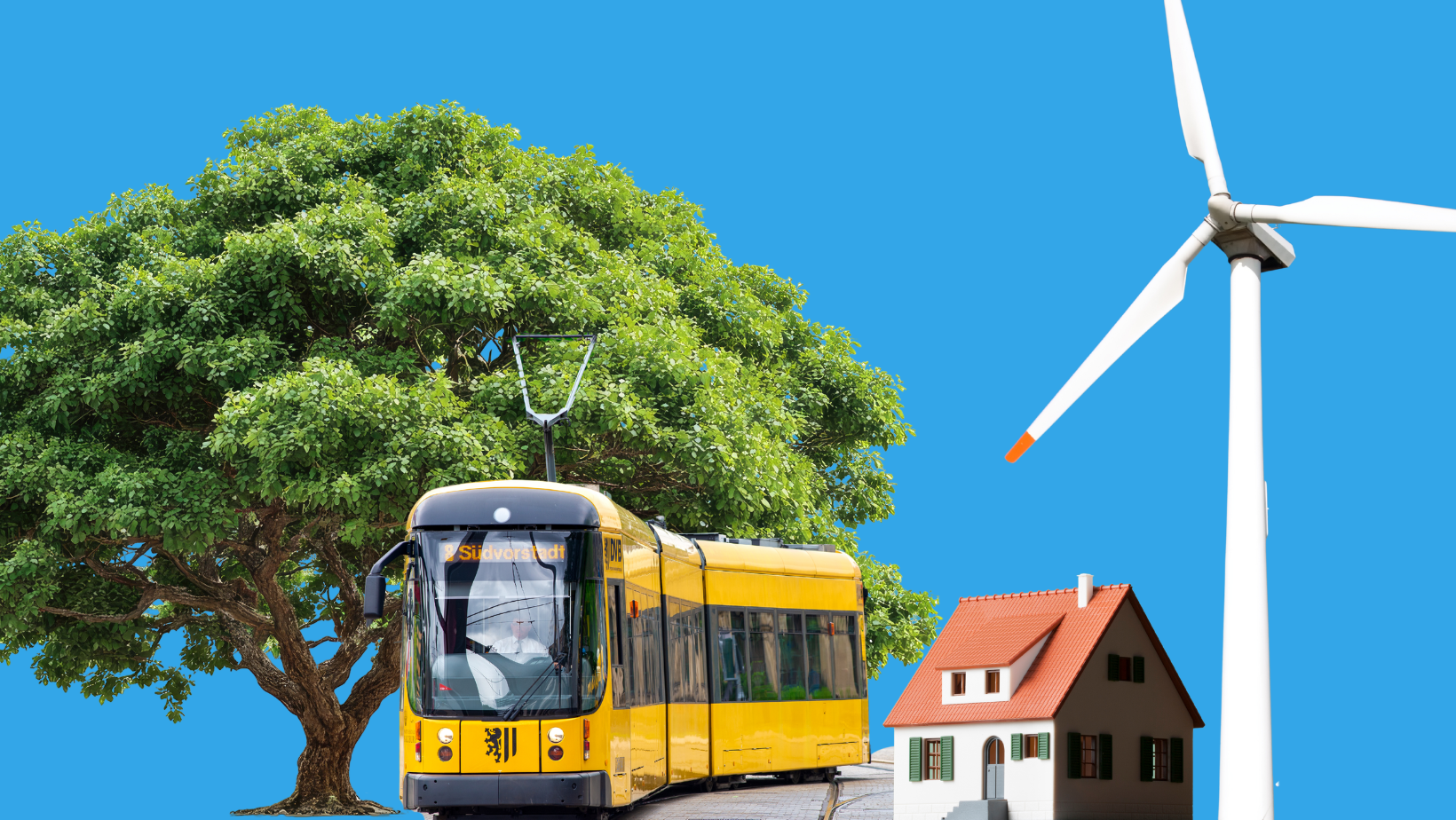
As Europe faces yet another energy crisis, a new briefing by Counter Balance calls for public investment in green public services by targeting decarbonisation and affordability simultaneously in energy, housing and transport sectors to shield society, especially vulnerable households, from fossil fuel dependency and adapt to intensifying climate change.
The briefing, Green public services: reclaiming public investments in clean and affordable housing, energy and transport for all, highlights how Europe’s dependence on fossil fuels continues to expose households and workers to energy price shocks while millions struggle with rising living costs, leading to housing insecurity, energy poverty and lack of access to sustainable mobility.
The briefing calls for a major increase in public investment in what Counter Balance describes as ‘Green Public Services’ — essential sectors that must both reduce emissions and guarantee affordable access to services that meet people’s essential needs. Affordable housing, clean and accessible energy and accessible public transport are critical to a fair and successful transition.
The briefing argues that market-led approaches often fail to reach the people who need support most. Spain, for example, has significantly expanded renewable energy production, yet millions still cannot afford to adequately cool or heat their homes, a basic need in the current heatwave.
Instead, the briefing argues that public banks have a crucial role to play. In particular, the European Investment Bank (EIB) Group, as the self-proclaimed EU Climate Bank, should use its financial capacity to support projects that deliver both climate and social benefits. Avoiding climate breakdown and ensuring people can live their life with dignity must be non-negotiables in our societies.
The briefing highlights that the EIB has substantial resources and increased lending capacity that could be directed towards:
- Affordable and energy-efficient social housing;
- Clean energy projects;
- Accessible and affordable public transport systems;
- Public sector projects that prioritise social needs alongside decarbonisation.
Counter Balance calls for redirecting the unused Recovery and Resilience Facility resources to strengthen the Public Sector Loan Facility, which raises public investments into public projects delivering essential needs, and for ensuring that future European Public Goods financing prioritises essential services that benefit people and communities.
Beyond emission reductions, a fair transition must also be measured by whether people can afford to heat and cool their homes, access decent housing and rely on quality public transport.
The briefing concludes that the EIB Group has both the mandate and the financial capacity to lead a fair decarbonisation of Europe’s housing, energy and transport sectors, ensuring that climate action delivers tangible benefits for people across Europe.
ENDS
For interviews, and further information, please contact:
Isabela Franco
Communications Officer
isabela@counter-balance.org