Cabo Verde is an indebted archipelago, exposed to rising sea levels. Yet, in September 2024, the European Investment Bank (EIB) signed a loan to attract more cruise ships and yachts to Cabo Verde.
Mindelo is a port city on São Vicente, one of the islands in Cabo Verde archipelago. It is the cultural capital and is known for its music, nightlife and its carnival, as well as its colourful colonial houses. Mindelo also has a port. Once a small fisherman’s port, it is being transformed into a massive harbour to welcome, among other ships, mega cruise ships. Two berths have already been built for cruise ships up to 350 meters long and with up to 6,000 passengers.
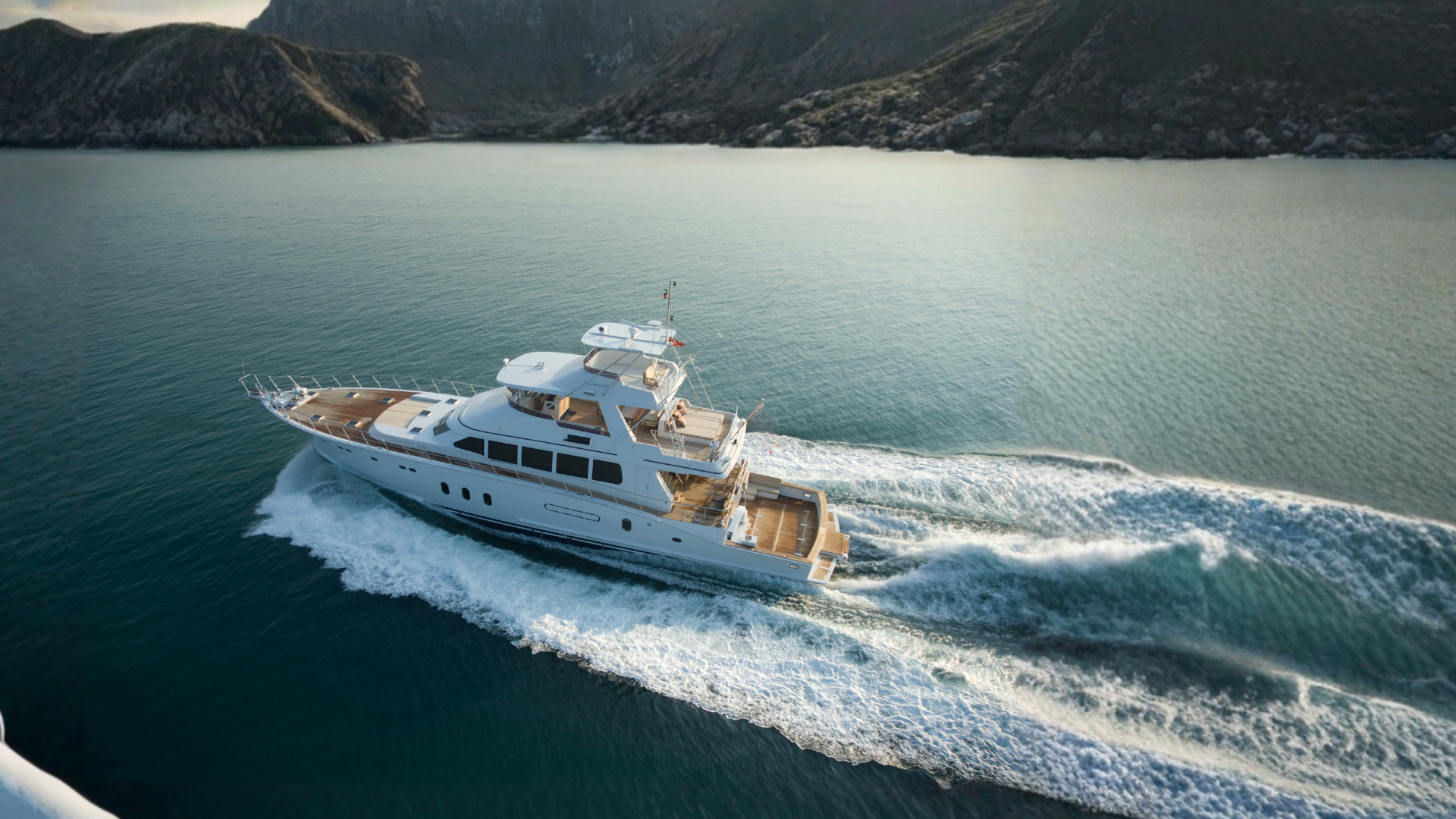
Tourism is a major economic sector in the archipelago, hence why the federal government is trying to bolster the sector by transforming the port of Mindelo for yachting and cruise tourism on São Vicente. But cruise ships and yachts emit huge amounts of greenhouse gases, which contribute to rising sea levels and thus make Cabo Verde more vulnerable. In fact, cruise ships are the single most carbon-intensive category of vessels afloat. One single cruise ship emits, on average, as much greenhouse gases (GHG) in one year as 19,000 cars according to calculations by the NGO Transport and Environment. Furthermore, Oxfam studied in 2024 the carbon footprint of 23 superyachts and estimated the average annual carbon footprint of each of these yachts to be 5,672 tonnes of CO2. It would take the average person 860 years to emit the same pollution.
Furthermore, Cabo Verde has struggled with high debts in recent years. According to Eurodad calculations based on official data, external debt service took over 19% of government revenue in 2024 and 18% in 2025. This money pays back previous loans rather than financing education, health or transport services. Despite this data, in September 2024, the EIB signed a €114 million investment package to support investments in Cabo Verde’s port infrastructure and shipyard sector. Of the EIB’s €114 million package, only €34 million came under a grant agreement. The remaining €80 million must be repaid, adding to the debts the country is already paying back.
The 2015 international Paris Agreement on climate change adheres to the principle of “common but differentiated responsibilities.” Taking the European Union as an example, a bloc of rich countries with historically high emissions, bears far greater responsibility for climate change than Cabo Verde. Solidarity would therefore require the European Union to provide financial support to the archipelago to adapt to sea level rises rather than exacerbate its vulnerability.
Instead, the EIB is financing a project which indirectly contributes to higher emissions and thus higher sea level rises, revealing how climate justice is not the top priority of EIB investment decisions. The Bank should prioritise grants and highly concessional finance for indebted countries. A public institution should never forget social and climate justice, especially in the Global South.