Here is inserted content from a social media network that wants to write or read cookies. You have not given permission for this. <a class="{class}" href="{url}">Click here to still allow this.</a>

Edit preferences
Website

This campaign brings together a powerful alliance of social and environmental CSOs, activists, trade unions and anti-poverty networks from across Europe and the Global South.

Together, we call for urgent, fair, and sustainable public investment in green and social infrastructure and services that put people first. We are holding European institutions —including the EIB — accountable to their public mandate: to protect rights and build just, green societies both within Europe and beyond.

We demand

We call for a bold shift in EIB policy: to stop financing corporate profits and dirty companies, and shift its firepower to projects rooted in the foundational economy – funding sustainable projects that meet people’s daily needs.

PUBLIC MONEY FOR ESSENTIAL NEEDS

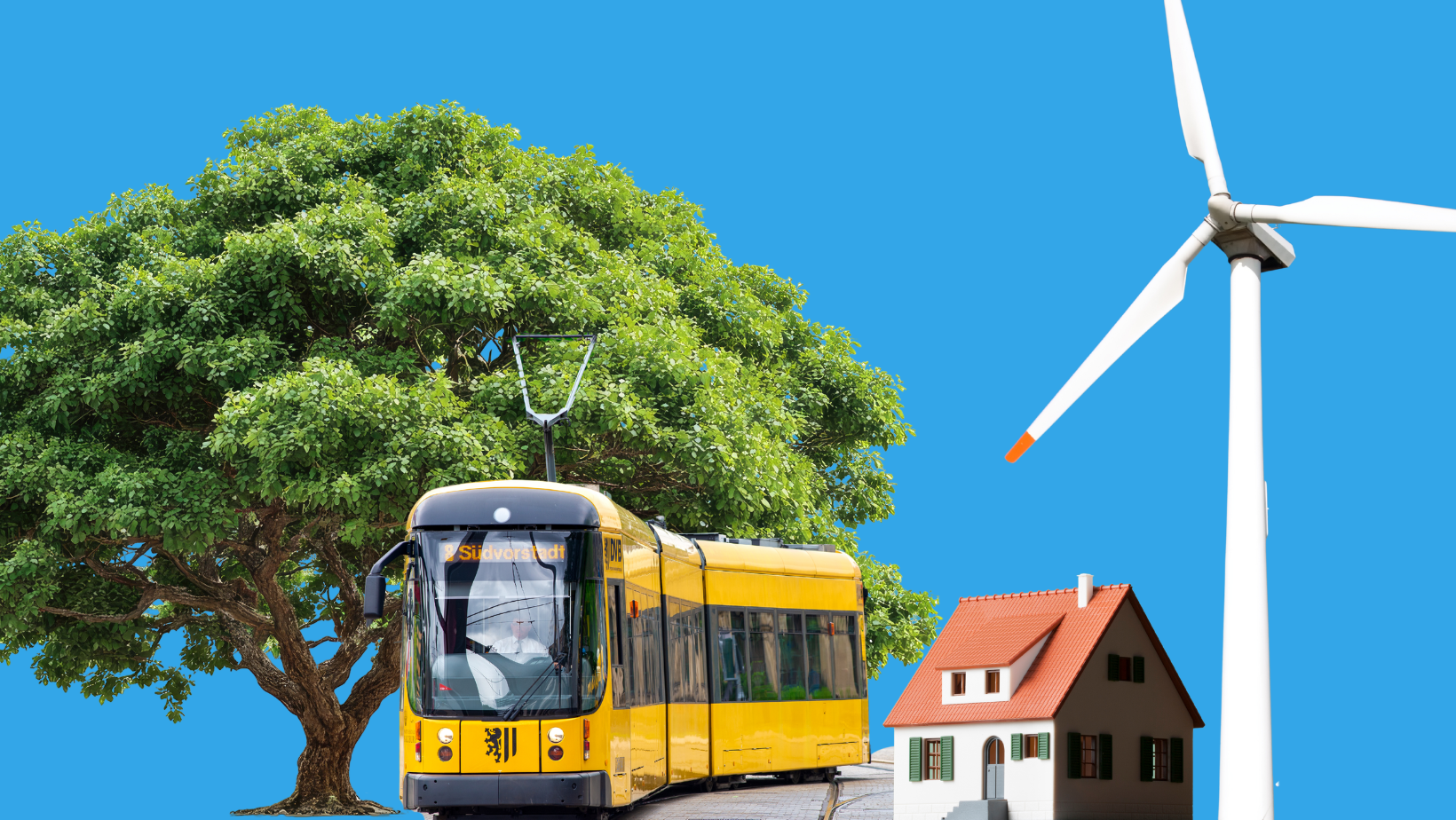
From hospitals to heat pumps, public transit to social housing—Europe needs vital infrastructure and services that are environmentally friendly and accessible to all, especially in communities left behind.

END FOSSIL FUELS FOR GOOD

No more support for companies wrecking the planet and refusing to phase out fossil fuels. Align every cent with the Paris Agreement and avoid false solutions: prioritise climate justice—not  market fixes.

PEOPLE OVER PROFIT

True transparency, public participation, and a mission rooted in equality and social cohesion: the EIB must prioritise publicly-owned, community-led projects that put real social and ecological benefits first.

A JUST TRANSFORMATION FOR WORKERS

Invest in quality jobs, strong labour rights, and fair conditions inside and outside Europe.

Captura de Tela 2025 12 19 as 13 53 25

POLICY RECOMMENDATIONS

Read

FAQ

  • What is the Social and Green EIB campaign about?arrow-right

    The campaign calls for a radical shift in how the European Investment Bank (EIB) Group operates — this includes the activities of the Bank, but also the European Investment Fund. We want the EIB to stop being a tool to boost corporate profits and climate-wrecking companies and instead prioritise financing public goods like affordable and sustainable housing, healthcare, renewable energy, and transport. The EIB must become a true engine for climate justice and social transformation. This also requires focusing on financing the public sector, especially regional and local governments and only financing companies that adopt rigorous decarbonisation plans with strong social conditions.

  • Why is this campaign necessary now?arrow-right

    At a moment when Europe faces converging crises, from climate breakdown to deepening inequalities, the EU chooses to apply self-imposed austerity and uses the EIB in its economic policy. To promote competitiveness the EIB continues to prioritise austerity, market competition, and corporate profit. This campaign is urgently needed to ensure that the EIB truly serves the public good and prioritises the highest social and environmental needs. Although the Bank lent over €89 billion in 2024, too much of this financing still flows to large polluters or projects that reinforce inequality, including €10 billion linked to fossil fuels. Instead of supporting the social and ecological transformation we need, public finance is being used to uphold a harmful status quo. It’s time to reclaim public finance for public needs, and to demand that the EIB invests in people and the planet, not corporate interests.

  • Isn’t the EIB already a climate bank?arrow-right

    The EIB calls itself the “EU Climate Bank”, but its track record tells a different story. Its initial climate strategy—the first phase of the Climate Bank Roadmap which ended in 2025—made some significant first steps, but also left a lot of work to be done. The second phase of this strategy, running until 2030, provides some setbacks. The definition of what counts as a climate project has been weakened due to the dilution of EU regulations. Meanwhile, the Bank continues to support fossil fuel-heavy companies, false solutions like carbon capture and storage (CCS), and channel funds through financial intermediaries (public and commercial banks, investment funds, and others.) with little transparency or public oversight. A genuine climate bank should not finance activities that undermine the Paris Agreement or worsen social and environmental harm.

  • What does “public money for essential needs” mean?arrow-right

    We want the EIB to prioritise projects that address people’s daily needs in the form of public and essential infrastructure and services — such as housing, care, energy, mobility, and food systems — over those aimed at boosting competitiveness by boosting private profits without strong social and environmental conditions. While key industrial sectors like energy, transport and housing are in need massive investment in decarbonisation and the development of sustainable alternatives, households are evermore in need of access to the essential services and infrastructure people rely on every day coming from these activities, such as access to affordable and sustainable housing, energy, transport, but also hospitals and other forms of care. These are sectors that deliver long-term social and environmental benefits, but often lack investment. The EIB should focus on supporting the public sector to ensure everyone, but especially the most vulnerable regions and the lower — and middle income households most in need in general have access to these essential needs.

  • Why are fossil fuels and “false solutions” a problem?arrow-right

    Projects involving fossil-based hydrogen, Carbon Capture and Storage (CCS), new road infrastructure, but also international carbon offsets delay real climate action. They do not reduce greenhouse gases emissions. Hydrogen for instance is a heavy methane and ozone emitter and also renewable hydrogen projects must be assessed very carefully, as they often lack sustainability and additionality by draining renewable energy capacity from more urgent local needs (especially in the Global South) or direct electrification when it is more efficient. In general these false solutions offer the illusion of progress while allowing polluting industries to continue business as usual without providing affordable green energy access to all. The EIB must end support for the fossil fuels economy entirely and ensure all its lending aligns with science-based climate targets and climate justice principles.

  • What changes are being demanded?arrow-right

    We are calling on the EIB to:
    1. Reorient EIB financing to serve public needs
    2. Ensure full alignment with Paris Agreement
    3. Finance public ownership and oversight
    4. Advance a just transformation that delivers decent jobs for workers

  • Who is behind this campaign?arrow-right

    The campaign is led by Counter Balance and supported by 12 organisations. Together, we are pushing to ensure the EIB serves people and the planet, not corporate interests.

  • How can I get involved?arrow-right

    - Follow and share the campaign using #SocialAndGreenEIB
    - Read and promote our policy recommendations
    - Pressure national governments to support a public-interest mandate for the EIB

    Public finance is a public matter. Together, we can reclaim it.

Old notebook and glasses

Always stay updated on
our latest work

Follow us via the newsletter

SUBSCRIBE