In a new report, Counter Balance exposes the hidden costs and financiers of Europe’s growing demand for critical raw materials.
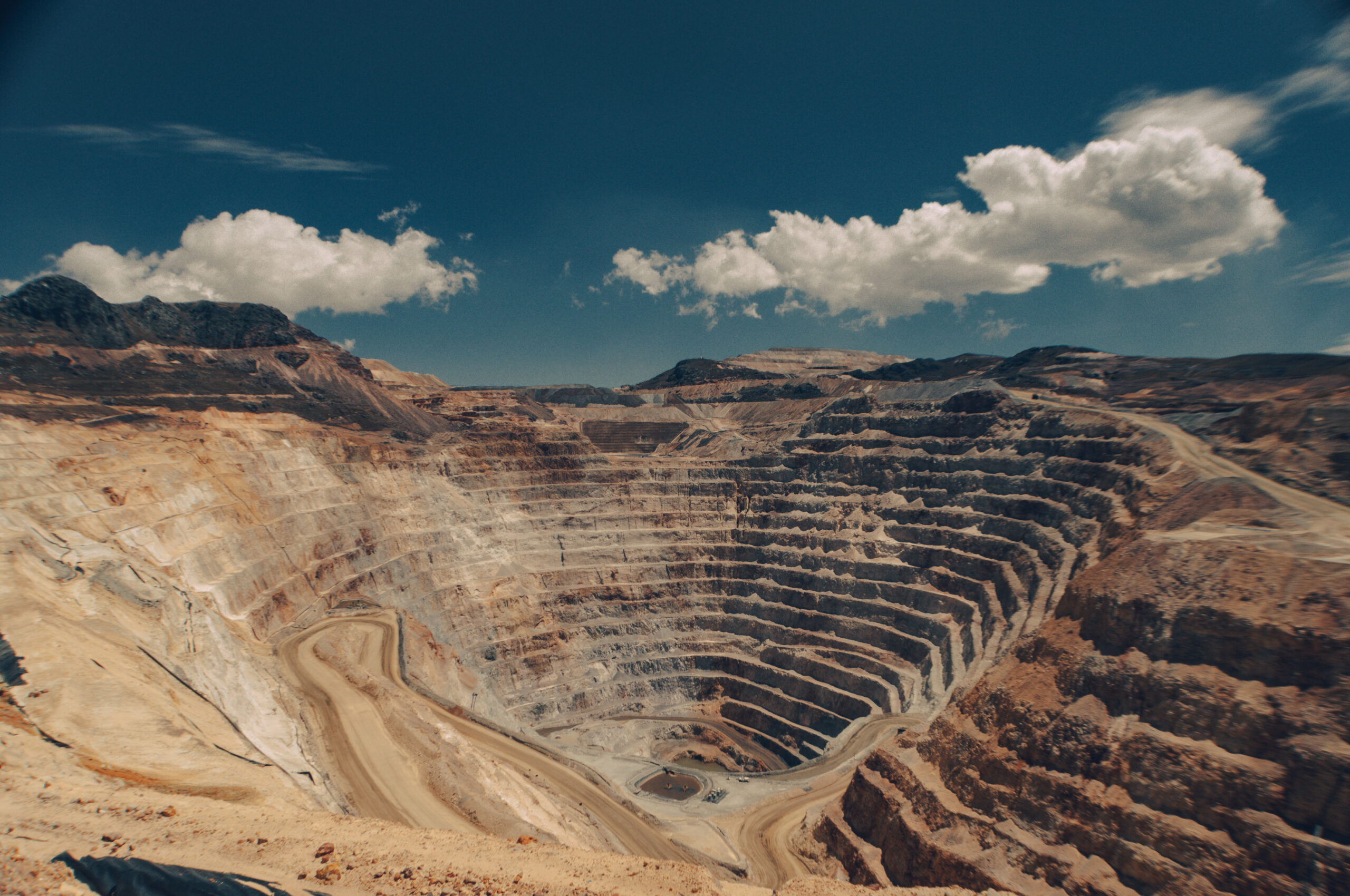
As the EU races to secure minerals for batteries, data centres, artificial intelligence, defence systems, and so-called green technologies, communities across Europe, Africa, Latin America, and Asia are paying the price.
The report, Europe’s Voracious Mining Appetite: The Finances and Power Relations Behind It, shows that through instruments such as blended finance and public guarantees, and through policies such as Global Gateway and CRMA, the EU has built a financial architecture whose explicit purpose is to make mining projects profitable enough for private investors. Under this ‘de-risking’ logic, public institutions absorb the financial risks of projects, and bear the losses if they fail, while ensuring that profits flow to multinationals.
The report also highlights a troubling pattern. While European leaders speak about sustainability and partnership, many projects continue to follow an old model: resources are extracted from communities, profits flow elsewhere, and local people are left with the environmental and social consequences.
Case studies from the Democratic Republic of the Congo, Rwanda, Tanzania, Kazakhstan, Finland, and Portugal show recurring problems:
- Communities excluded from decisions affecting their lives.
- Indigenous rights put at risk.
- Lack of transparency.
“This report exposes the gap between the EU’s promises and the reality on the ground. While European leaders speak about sustainability and partnership, communities are bearing the costs of the mining on their land. A truly just transition must reduce resource demand, respect human rights and put people before profit.” – said Isabela Franco, co-author of the report.
Instead of opening more mines, European institutions should focus on reducing demand, supporting repair and reuse, improving recycling, and questioning economic models that require endless growth in resource consumption.
The report also calls on European institutions and European public banks to stop prioritising extraction and start prioritising sufficiency, fairness, transparency, and democratic decision-making.
For interviews, please contact:
Isabela Franco
isabela@counter-balance.org
Lora Verheecke
lora.verheecke@counter-balance.org