On 29th June 2026, Haiti hosted its first Global Gateway Business Forum. Global Gateway is the new ideology of the European Union to support the ‘sustainable development’ projects of European multinationals outside its borders in huge infrastructure projects, including in the mining sector. Before projects materialise, the European Union organises business fora where local authorities and European investors discuss and plan new Global Gateway projects.
Civil society organisations participation is usually closed or limited in those fora. The case of Haiti is a great example. The target audience of the event according to the European Commission, is the private sector and officials, including ‘representatives of the Haitian private sector, government officials and representatives of European financial institutions (EIB and Proparco)’ among others.
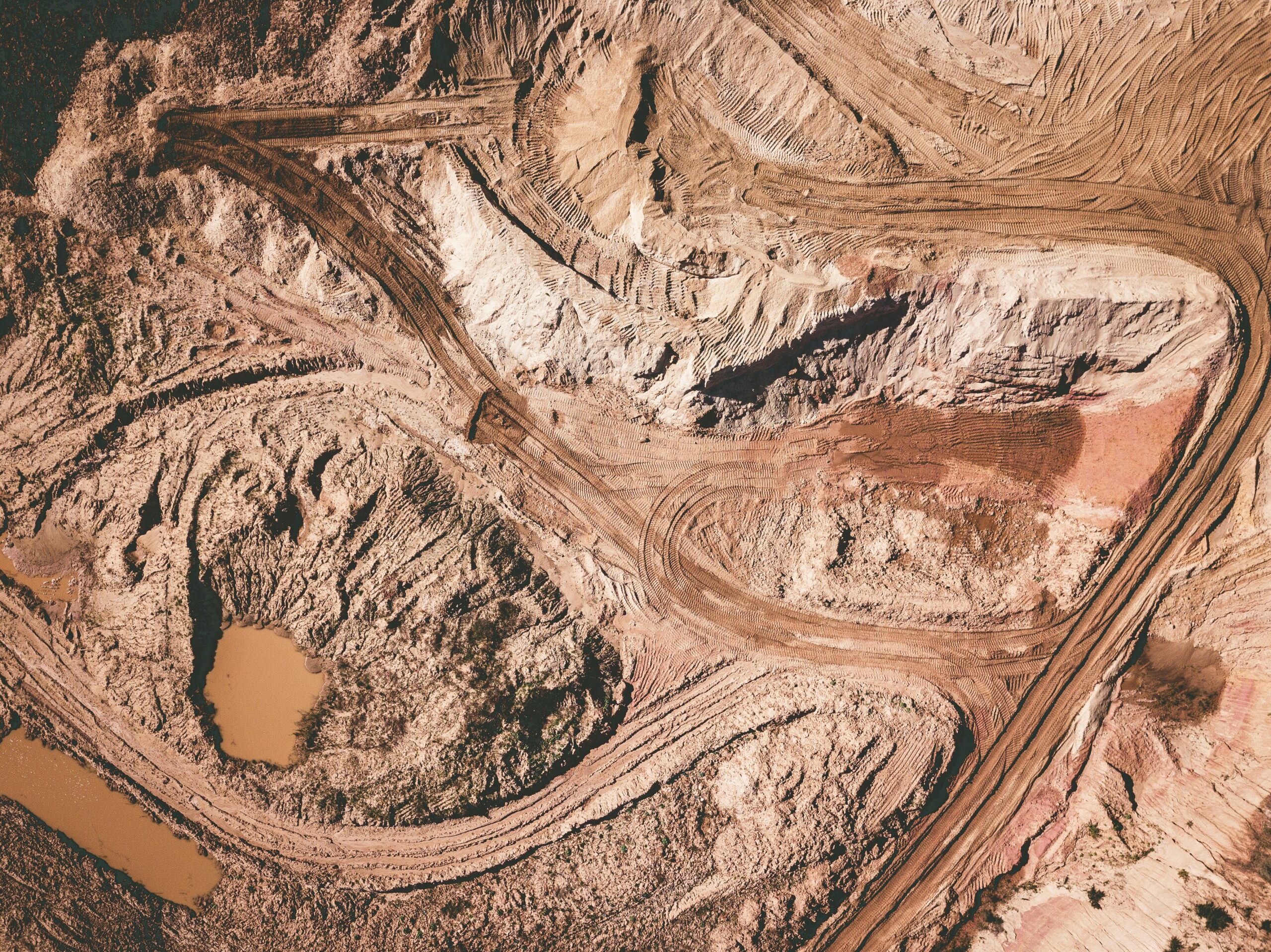
In Haiti, the European Union has identified three priority Global Gateway sectors: transport and logistics; energy and mining; and agriculture and agri-food. Concerns are high for civil society organisations and impacted communities regarding mining, as the sector is the most contaminating industry in the world. Discussions in the Business Forum at the end of June are likely to center around mining. Indeed, the EIB has started investing in mining projects in Namibia and Tanzania. In Tanzania, a witness in the religious community describes the EcoGraf project as such: “Instead of becoming a blessing, it has turned into something like a curse.”
The roll-out of the Global Gateway in Haiti comes at a time when the country is facing a profound institutional, security, social, health and environmental crisis. The absence of elections since 2016, the persistent failure to restore security, the weakness of public institutions, systemic corruption and the country’s extreme ecological vulnerability are all factors that should prompt caution.
Furthermore, the fact that the adoption of a mining decree on 30th March 2026 coincides with the promotion of European investment in the mining sector raises legitimate questions.
Will the Commission turn a blind eye to this blatant lack of democracy in favour of business interests? Will the EIB pay attention to the high risks of corruption, human rights violations, and environmental pollution if it financially supports new mining sites or railways and ports to facilitate mining extraction and transport in Haiti?
There is a real risk that the establishment of the Global Gateway will lead to the reproduction in Haiti of historical patterns of resource extraction that are incompatible with the principles of environmental justice, democracy and respect for human rights – principles which the European Union nevertheless claims to promote through its external action.
Is the European Union prepared to embrace its new ideology: mining at any cost?